Phone answered 24/7
Whole-House Repiping in Everett, WA
If you've patched the same run of pipe twice in a year, or the pressure on your second floor has quietly gotten worse over the last few winters, you may be past the point where a single repair fixes anything for long. Repiping Everett WA homes usually comes up for one of three reasons: galvanized steel that has rusted from the inside out, polybutylene pipe from a certain era, or a house that has just had enough small leaks to make patching feel like a losing game.
Call and walk through what you're seeing. We'll connect you with a local plumber who does whole-house repiping and can tell you, after a look at your crawlspace or basement, whether a full repipe makes sense or whether you're still in repair territory.
Call right away if
- Water is actively spraying or pooling from a pipe joint
- You smell sewage or see water stains spreading on a ceiling
- A pinhole leak has soaked insulation or subfloor
- Your main shutoff won't fully stop the flow
- You've had three or more pipe leaks in the past year
Signs a house needs a full repipe, not another patch
One leak doesn't mean much on its own. Pipes get nicked during other work, fittings loosen, and a single failure can be a one-off. What changes the picture is a pattern: rusty water at the hot tap that clears after running for a minute, a slow drop in pressure over several years, or aerators that fill up with flaky rust and scale every few months. Those are signs the pipe itself, not just one joint, is wearing out from the inside.
Galvanized steel pipe rusts from the inside, and the inside diameter shrinks as scale builds up along the walls. That's why a newer, better faucet can still feel weak. It isn't the fixture. It's the pipe feeding it. Once a galvanized system starts showing this pattern in more than one spot, patching one section usually just moves the next failure a few feet down the line.
PEX or copper: what a plumber weighs
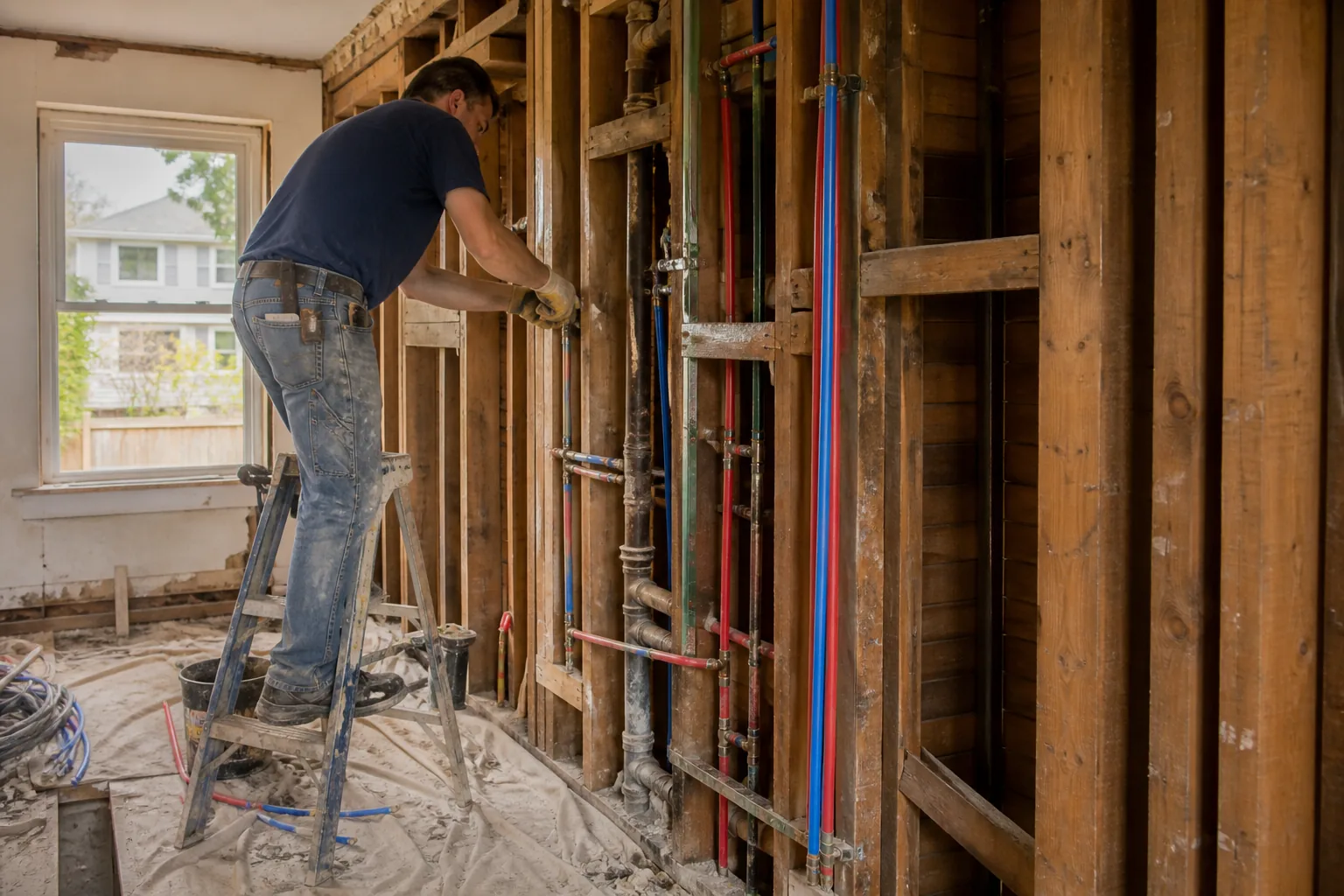
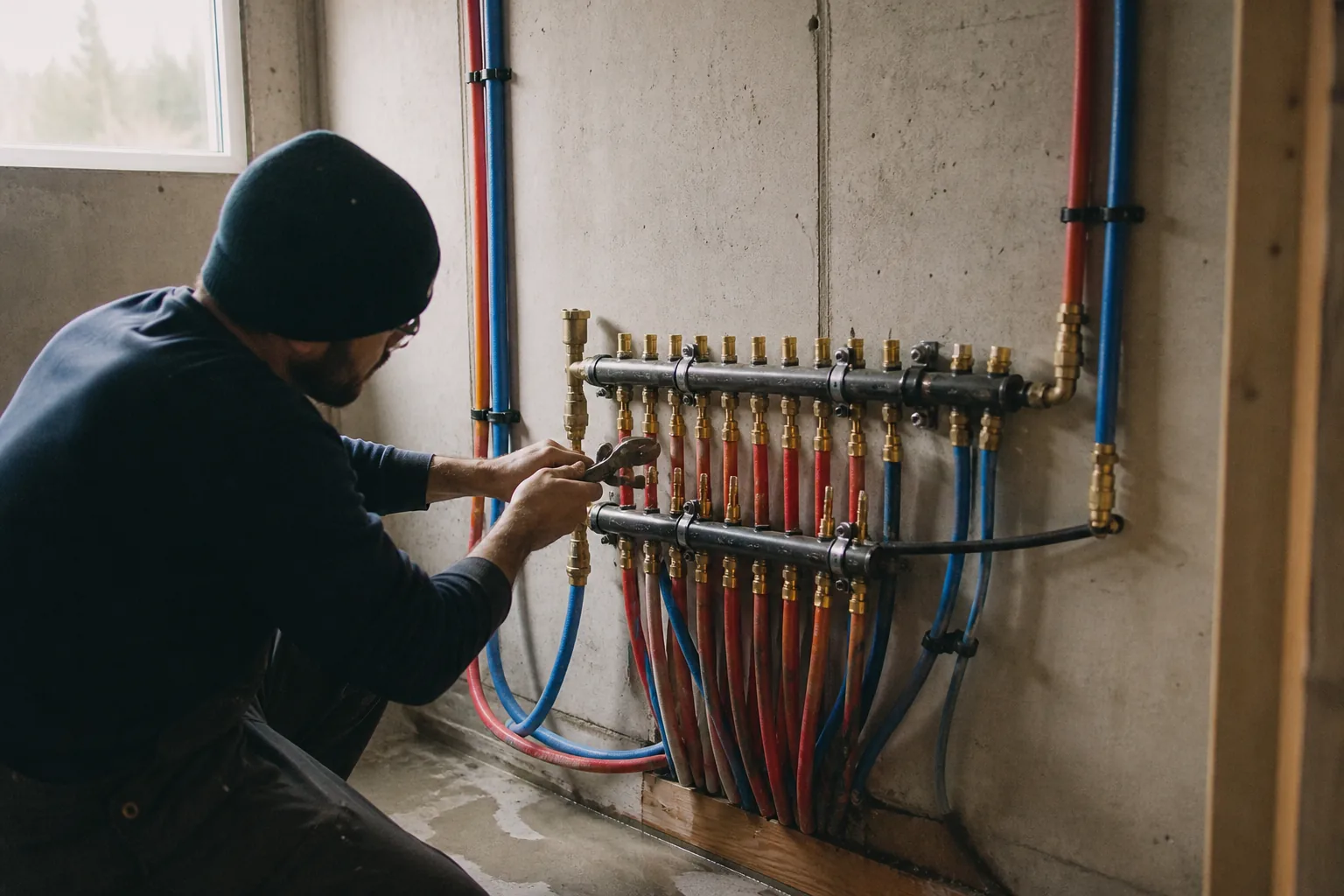
PEX is the material most whole-house repipes in Everett use now. It's flexible, so it can often be run through smaller openings than rigid pipe, which matters in a finished house where every cut is a patch job later. It handles the area's naturally soft water well and doesn't corrode the way galvanized does.
Copper still gets used, sometimes because a homeowner wants it, sometimes because a specific run calls for it, like an exposed line or a spot near a heat source. It costs more in material and labor and generally needs more wall openings to install. A plumber can walk you through both and explain what fits your house, your budget, and how long you plan to stay in it.
One thing a plumber will not do is tie new PEX into old galvanized and call the job finished. Mixed systems corrode at the junction, and that joint becomes the next leak.
Not sure if it can wait?
Describe what you're seeing and we'll connect you with a local plumber who can tell you how urgent it is.
Polybutylene: the other repipe trigger
Homes built roughly between 1978 and 1995 anywhere in this region, not just Everett, sometimes have polybutylene supply pipe. It's a gray plastic pipe that was common for a stretch of years and has a reputation for failing at the fittings, sometimes without warning. If your house falls in that build window and you don't know what's behind the walls, ask the plumber to check during the initial visit. Polybutylene replacement is one of the more common reasons for a planned repipe rather than a reactive one.
What the first visit usually covers
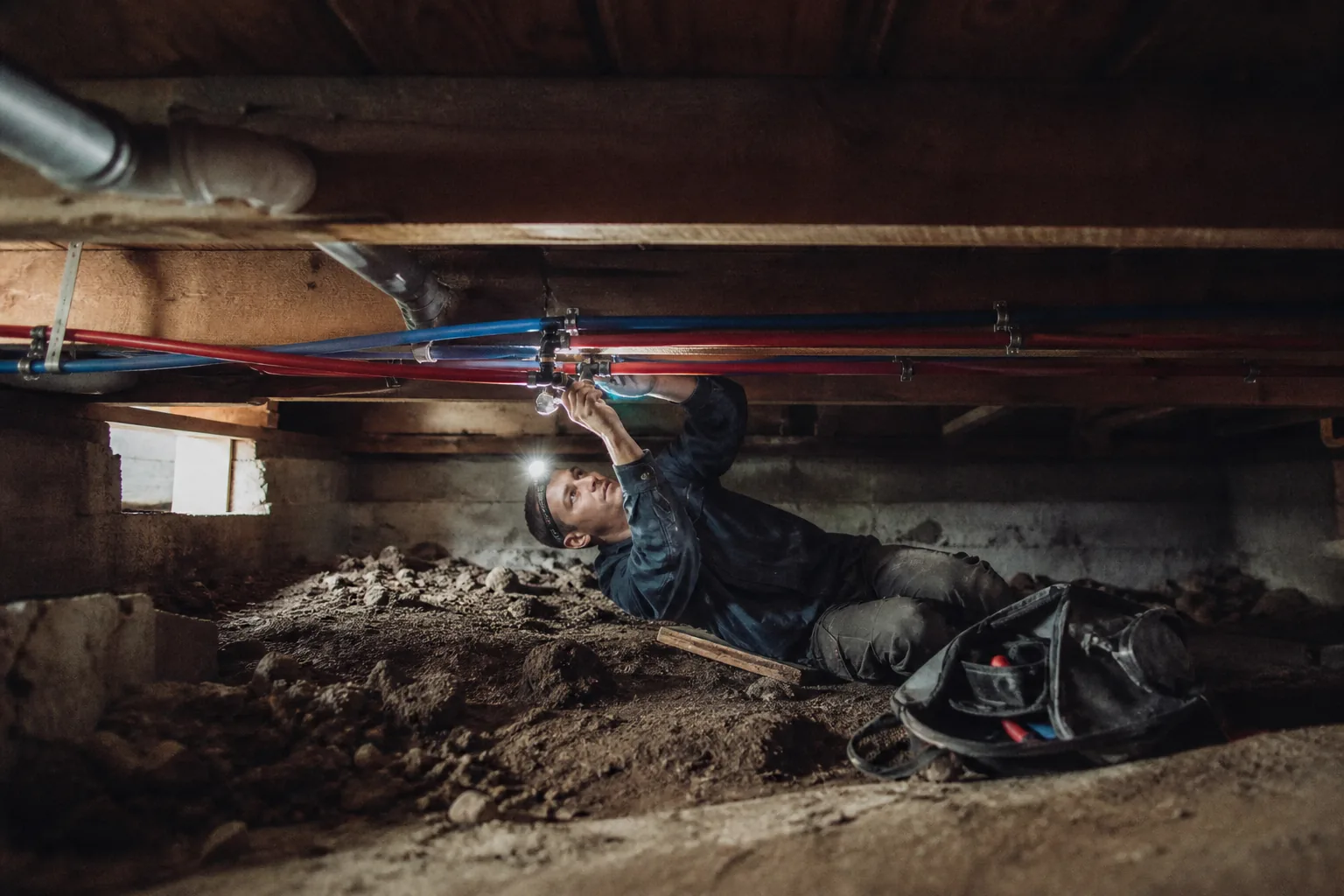
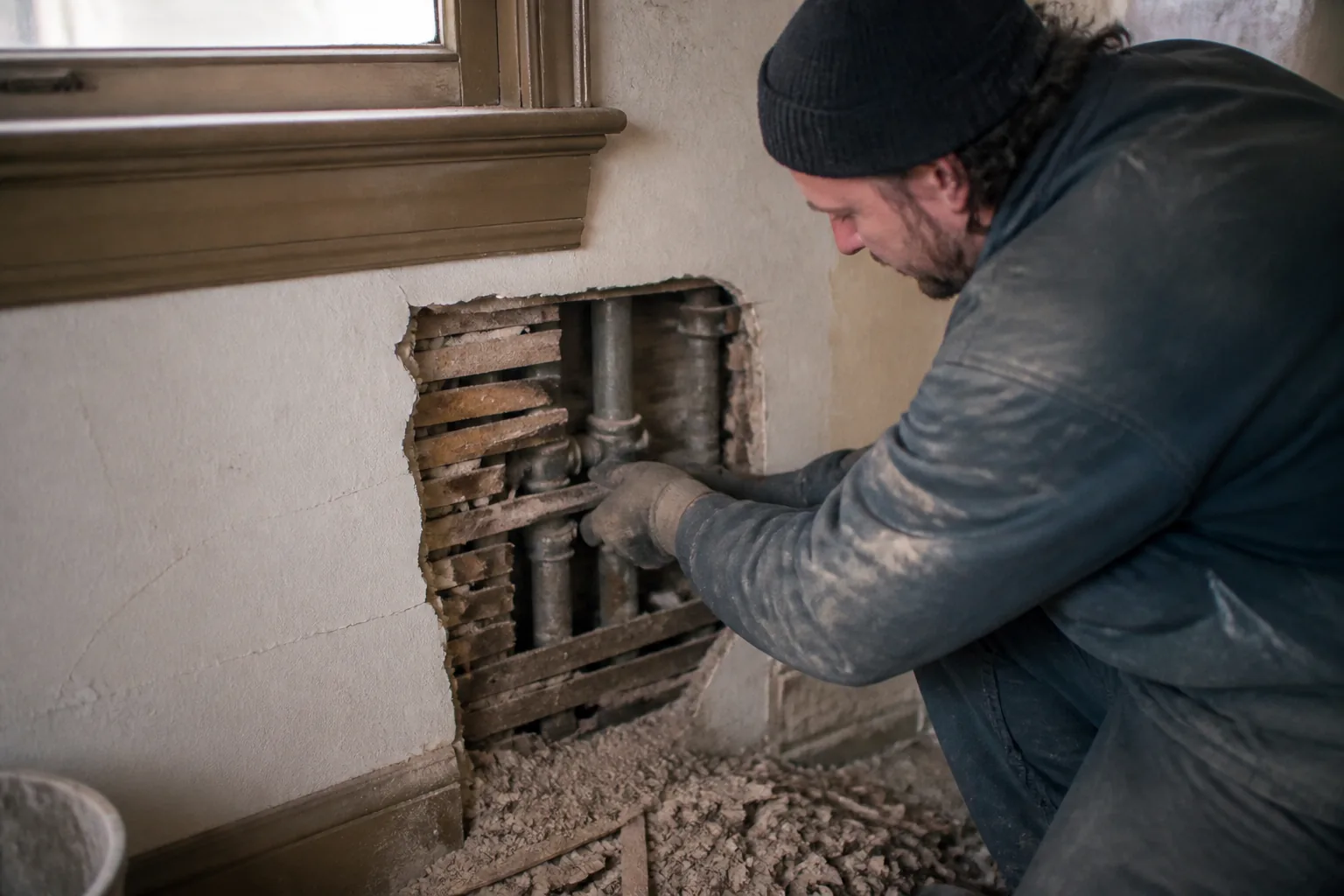
A plumber typically starts by inspecting whatever pipe is accessible in the crawlspace, basement, or an attic run, rather than guessing from one bathroom. From there they'll map your fixtures, note any dead legs (unused branch lines that don't get flushed and can breed bacteria or just rot quietly), and tell you honestly whether a targeted repair still makes sense for your situation or whether the house is ready for a full repipe.
You should walk away from that visit with a written scope: the material, the fixture count, whether the water heater tie-in is included, and what's specifically not included unless you add it. If a plumber can't explain what they found or why they're recommending a full repipe over a repair, ask more questions before agreeing to anything.
Talk it through with a plumber
The line is answered 24/7. Tell us your neighborhood or city and what's going on.
Repiping in Everett's older neighborhoods
Northwest Everett, Bayside, Port Gardner, and Lowell all have a fair number of houses built before 1950, some from the early 1900s. These houses often still have some original galvanized supply pipe, sometimes partly updated over the decades in a patchwork way that makes tracing the system harder. A Northwest Everett hillside house and a Lowell bungalow near the river can fail in similar ways, but the access underneath is often completely different, which affects both the plan and how the job gets staged.
If you're already opening walls for a kitchen or bath remodel, that's a natural point to ask about repiping the rest of the house at the same time, so you're not closing up drywall over a pipe that's going to need attention again in a year or two.
Living in the house during a repipe
Most occupied homes keep water shut off in planned blocks rather than for days at a stretch. A plumber will usually set a schedule with you before work starts, so you know which bathrooms or the kitchen will be without water and when. Clearing out under-sink cabinets ahead of time and mentioning any HOA rules or rental restrictions helps the plumber plan the actual openings instead of discovering the layout as they go.
Ask the plumber directly what patching is included. Some jobs include basic drywall close-up; full paint and texture matching is usually a separate scope, and it's worth knowing which one you're getting before work starts.
Before the plumber gets there
- Know where your main shutoff valve is and confirm it actually stops the water
- If a pipe is actively leaking, shut off water to that fixture or the whole house
- Take a few photos of the leak, the pipe material, and any water damage
- Note when you first noticed rusty water or dropping pressure, even roughly
- Clear access to the crawlspace, basement, or attic area if you can do so safely
How calling works
Call and describe the problem
Tell us what's leaking, clogged or not working, and roughly where you are in Everett or which nearby city.
We connect you with a local plumber
Your call goes to an independent plumbing contractor who works your area and handles that kind of job.
The plumber takes it from there
They talk through the problem, timing and price with you. Ask for a written estimate before work starts.
Where this service is available
One call to our Everett plumber line gets you help with repiping across the city and these nearby areas. Pick yours for local details.
Everett neighborhoods
Common questions
How do I know if I need a repipe or just a repair?
One leak is usually a repair. Repeated leaks in different spots, rusty hot water that doesn't clear, or steadily dropping pressure point toward the whole system wearing out. A plumber can inspect accessible pipe and give you a straight answer instead of guessing from a single fixture.
How much does whole-house repiping cost?
It depends on the plumber, the house size, the material chosen, how much of the pipe is accessible, and how many wall or ceiling openings are needed. Ask the plumber for a written estimate that breaks out material and labor before any work starts.
Can I stay in my home during a repipe?
Usually yes. Water gets shut off in planned windows rather than for an extended stretch, and the plumber should set that schedule with you before starting so you can plan around it.
Is PEX pipe reliable for a full house system?
Modern PEX is standard residential piping and handles this area's soft water well. It should be installed to code with fittings matched to the system, not mixed with leftover galvanized.
Will the plumber patch the walls after a repipe?
Some jobs include basic drywall close-up and some don't. Ask specifically what's included in the scope, since full paint and texture matching is often a separate line item.
How do I check that a plumber is properly registered?
In Washington, plumbing contractors must be registered with the Department of Labor & Industries and plumbers must hold an L&I plumbing certificate. You can ask the plumber for their L&I registration number and look it up yourself using L&I's Verify a Contractor tool.
Question not covered here? Describe the problem on the phone.
Call (425) 845-0233Related plumbing problems
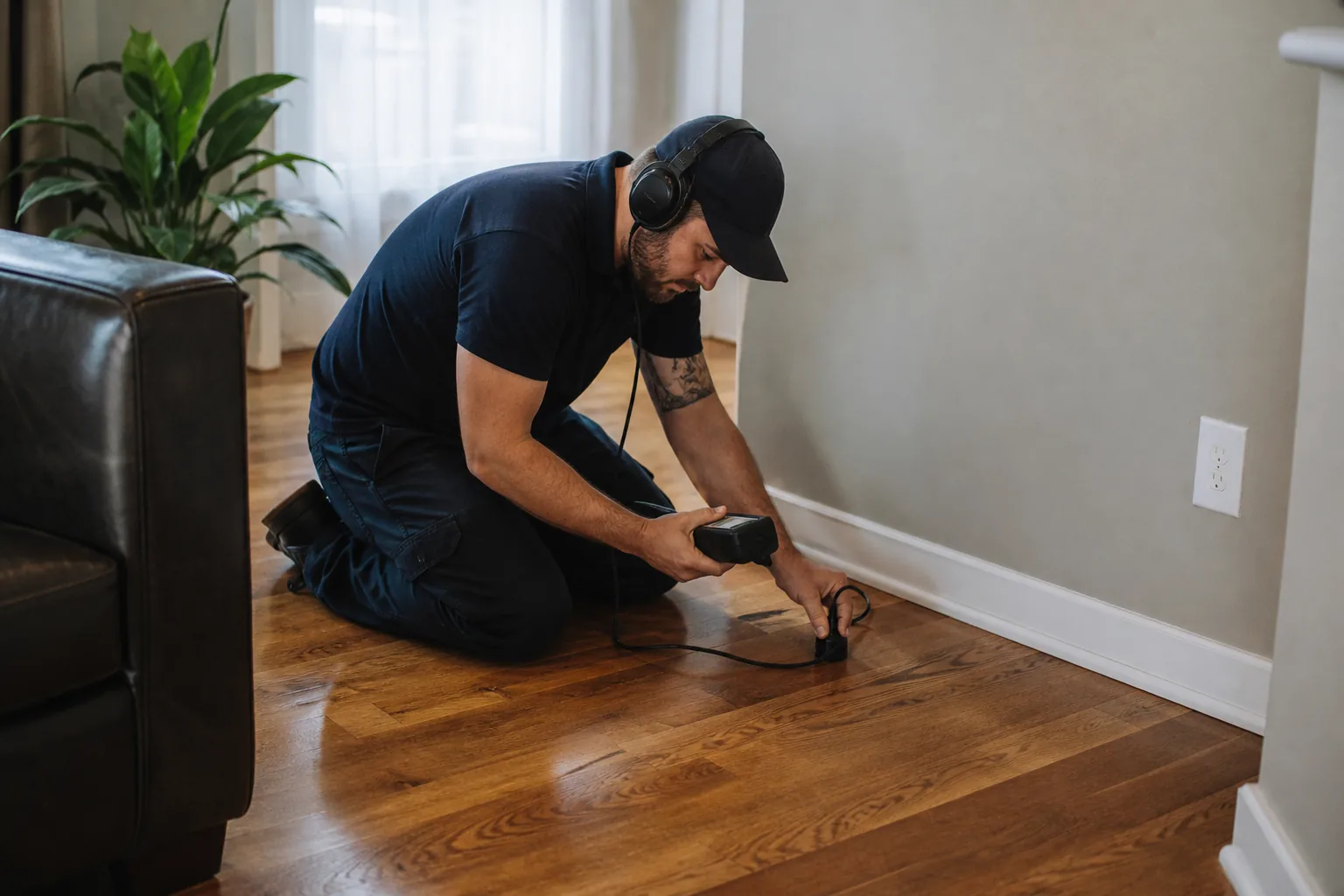
Leak Detection & Slab Leak Repair
High water bill, a damp spot with no obvious cause, or a slab leak. Call and we'll connect you with a local plumber.
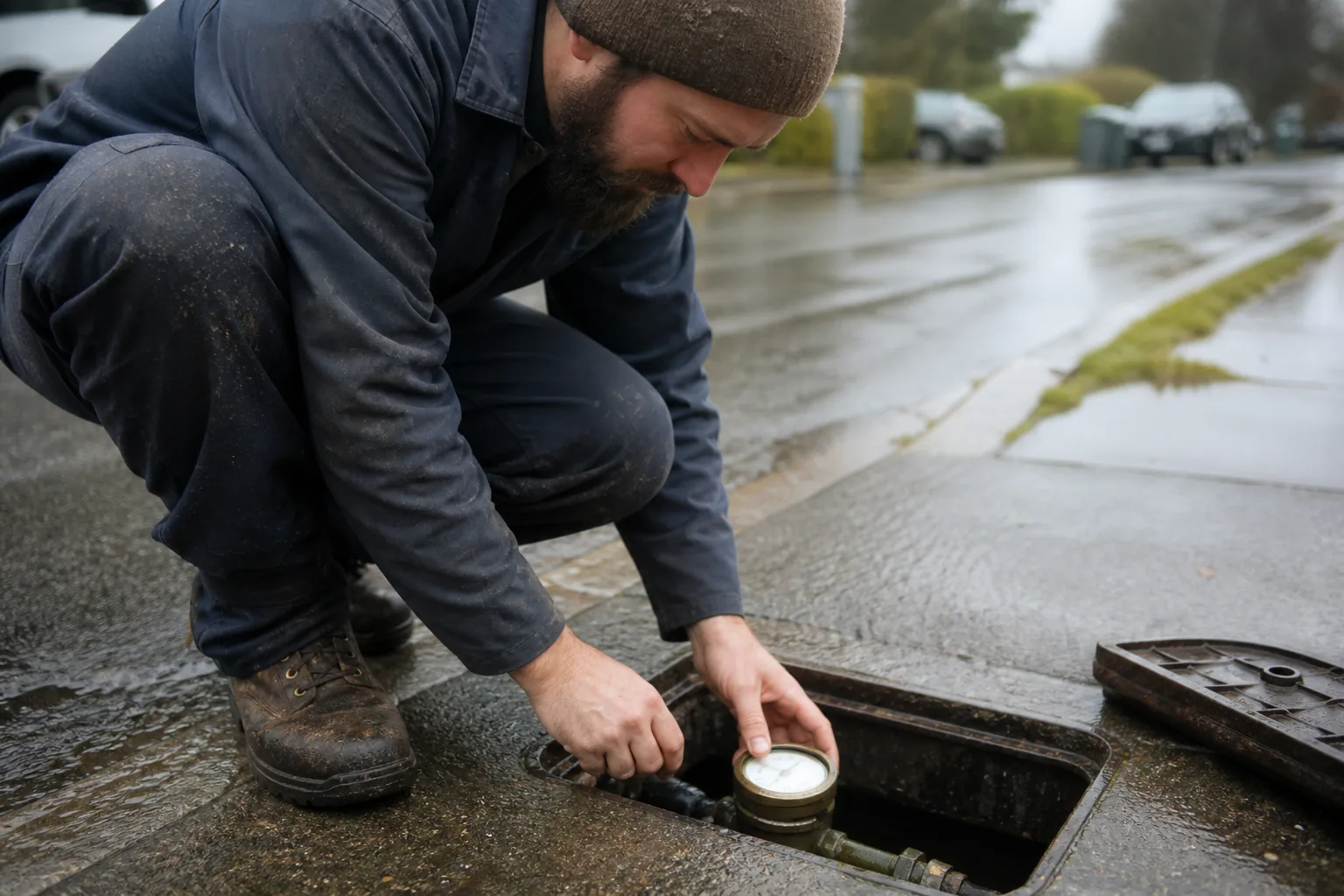
Water Line Repair & Replacement
Low pressure, a wet spot in the yard, or a meter that spins with everything off. Get connected with a plumber for your service line.
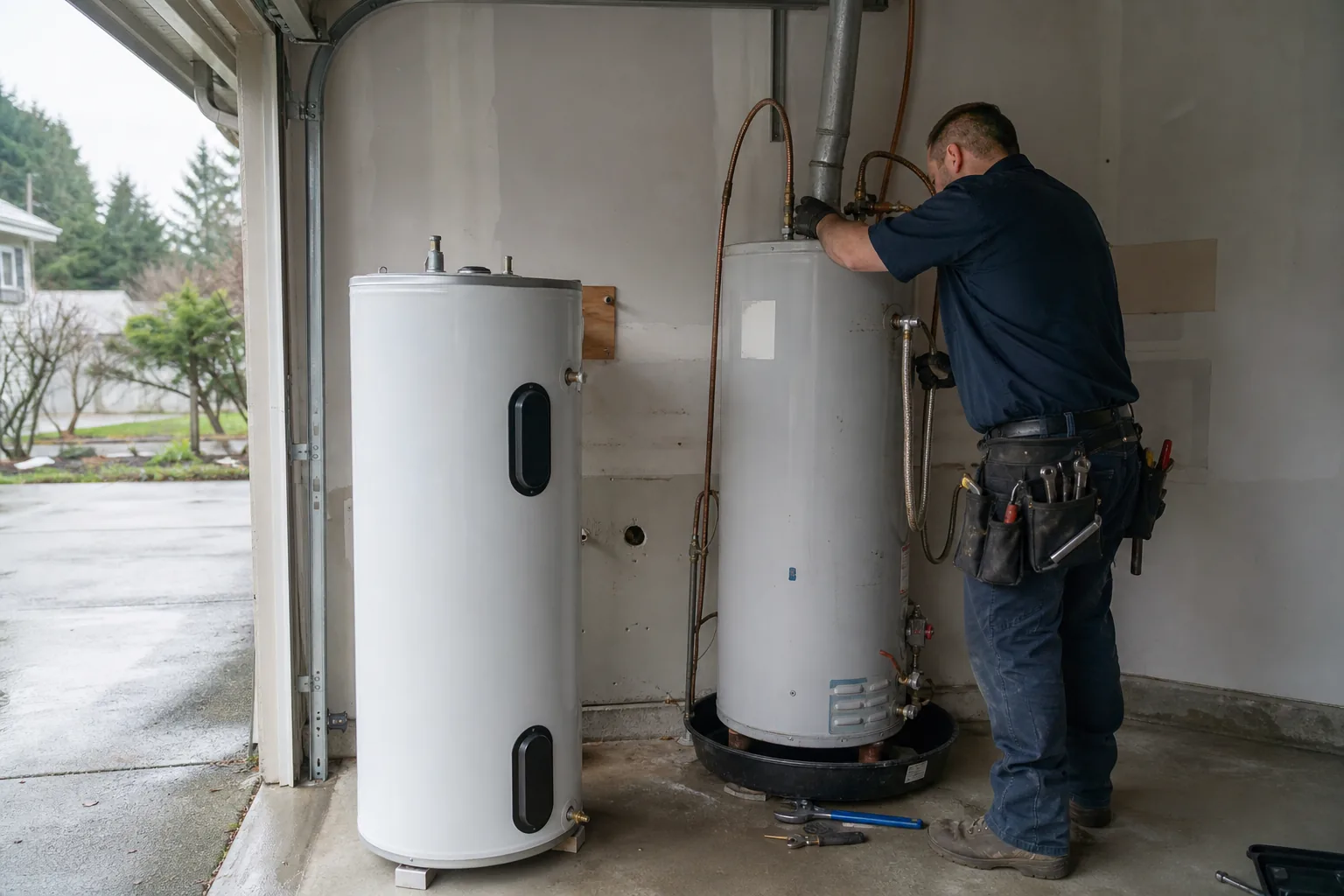
Water Heater Repair & Replacement
No hot water, a leaking tank, or a pilot light that won't stay lit. Call and we'll connect you with a local plumber.
Call any time
Ready to talk about repiping your house?
Call (425) 845-0233 and describe what you're seeing, whether it's rusty water, weak pressure, or a leak you've patched more than once. We'll connect you with a local plumber who can take a look and tell you what your options actually are.
Call (425) 845-0233Calls are connected to independent local plumbing contractors.